Sustainability Goal Solutions

Circular Solutions for Business Resilience

Integrated biotechnology systems that transform organic waste and carbon emissions into regenerative environmental and economic value.

Where Carbon Becomes

Assets

Where Cost Becomes

Investments

Where Waste Becomes

Resources

What We Do
TWO
Global Problem.

Organic Waste

Landfills generate methane emissions, operational costs, and environmental burden.

Carbon Emissions

Industries face increasing pressure to decarbonise and strengthen ESG accountability.

ONE
Circular Solution.

Atoz Solution

ATOZ integrates biotechnology, circular economy systems, and regenerative agriculture to transform waste streams into climate-positive resources.

Meet the AMES system

Atoz Modular Ecofusion System (AMES)

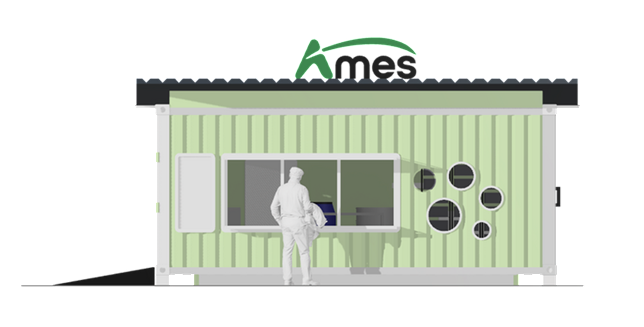
The Atoz Modular Ecofusion System (AMES) integrates microalgae cultivation & Black Soldier Fly (BSF) bio-transformation into a scalable ecosystem designed to reduce waste, capture value, and support sustainability transition.

Output from AMES promotes circular nutrient recovery and regenerative agricultural practices that lead to a net zero carbon future.
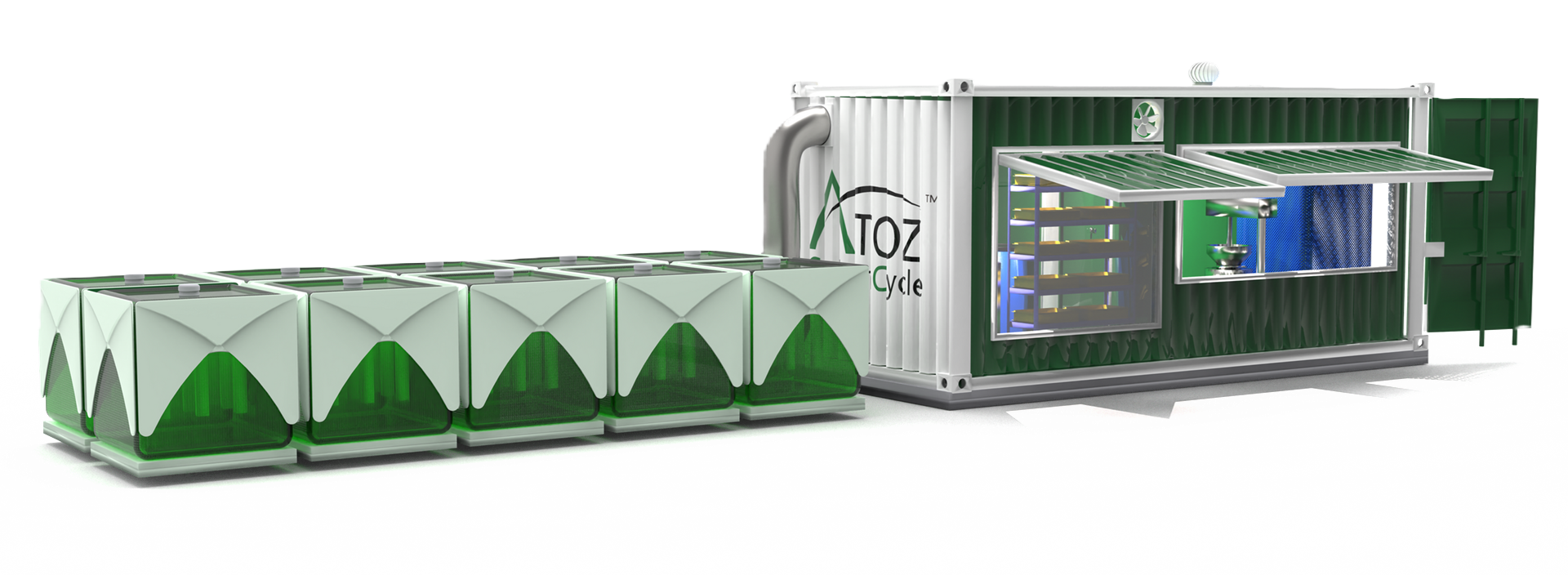

Microalgae Cultivation System (MACS)
Black Soldier Fly (BSF) Biotransformer
Atoz Modular Ecofusion System (AMES)
System Overview

AMES System: At A Glance

MACS
Microalgae Cultivation System (MACS)
BSF BIOTRANSFORMER
BSF BioTransformer

AMES (Algae–Microalgae Cultivation System + BioTransformer) transforms organic waste into valuable resources through an integrated regenerative system.

Microalgae Cultivation System
  • Capacity: 10-tank modular system
  • Output: 16,000L algae water monthly
  • Space: Compact design for hospitals
  • Maintenance: Automated monitoring
BSF BioTransformer
  • Capacity: 1 ton organic waste monthly
  • Output 1: 250kg BSF larvae (protein)
  • Output 2: 150kg BSF frass (fertilizer)
  • Design: Modular, scalable system

Closed-loop regenerative cycle

01
Community Food Consumption
02
Organic Waste
03
Larvae & Fertilizer
04
Farms & Poultry
05
Food Back to Community

AMES System Impact Scales

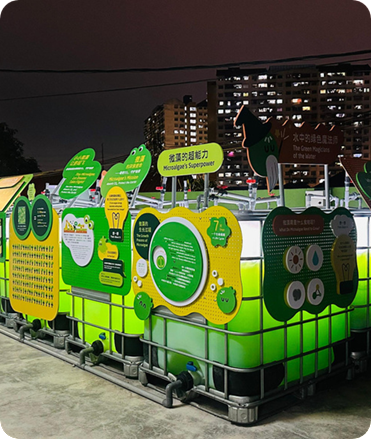
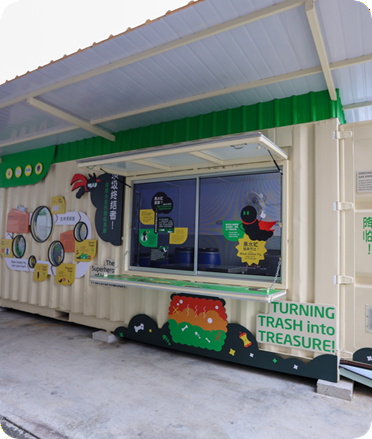
SJK (C) Kampung Baru Ampang
- Ampang
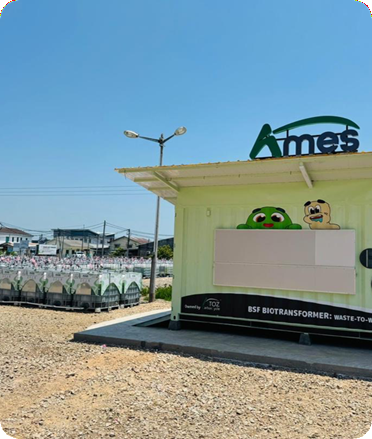
MACS system at night in Ampang BSF Container during day in Ampang
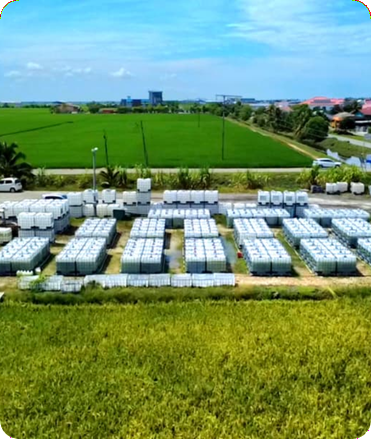
Atoz Regenerative Agricultural Base
- Sekinchan
MACS field in Sekinchan BSF Container with field background in Sekinchan

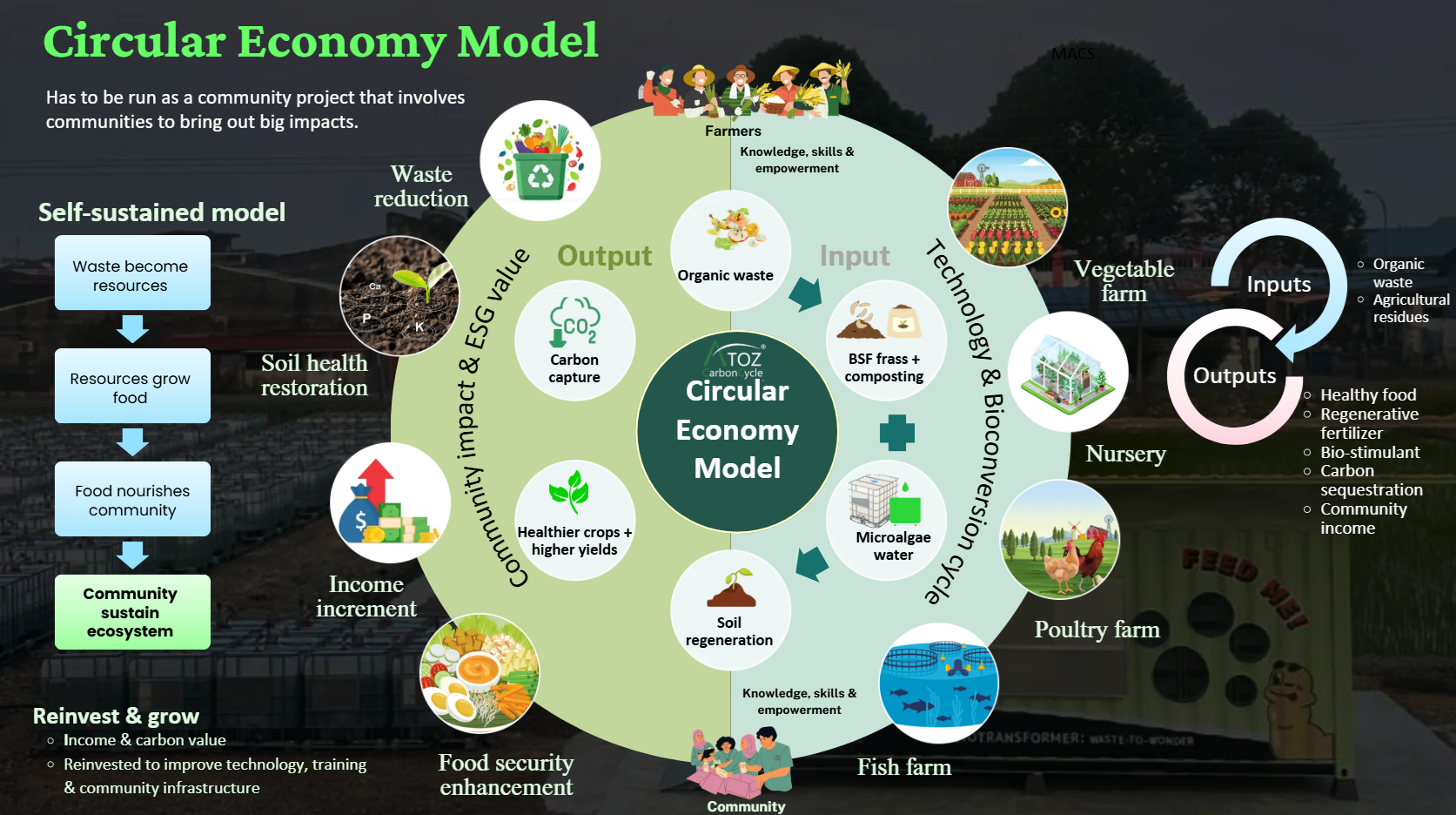
Circular Economy Model

Hover to magnify or click the diagram to enlarge and explore the details of our self-sustained model.

Work with us

Why Corporates Work with Atoz?

ESG Positioning

Support sustainability reporting and climate commitments.

Waste Diversion

Reduce landfill dependency and organic waste burden.

Circular Economy Integration

Convert waste into regenerative outputs.

Brand Reputation

Strengthen sustainability perception among stakeholders.

Carbon Strategy

Support decarbonisation and climate initiatives.

Innovation Leadership

Position your company at the forefront of circular innovation.

For Corporates

Ecosystem for Corporates and Game Changers

Corporate City

Corporate ESG Goals & Impact Investment

  • Climate Action
  • Carbon Transition
  • Social Good

Decarbonization
Carbon Transition Readiness

  • Microalgae Tech
  • Waste solution Tech
  • Climate Tech
  • Data-driven MRV
Farmers

Impact Value & Measurable ROI

  • Measure Carbon Sequestration
  • Demonstrate ESG Impact
  • Strengthen Brand & Reputation
  • Create Revenue from Carbon Credits
Maximized ROI
Stakeholder Trust
Investor Relationship
ESG Reporting
Sustainable Supply
Enhanced Reputation
Measurable Impact
Atoz connects ESG investment to tangible, measurable outcomes.
Who we collaborate

Our Project Collaborators

Measurable impact

Our Impact

4.11 tons
Organic waste diverted
(Aug 2025 - May 2026)
288 kg
BSF frass produced
(Aug 2025 - May 2026)
368 kg
BSF larvae produced
(Aug 2025 - May 2026)
12680 L
Regen Water contributed
to Farms Community in Sekinchan
(Oct 2025 - Mac 2026)

We Help Corporates to

Solve Organic Waste Problems

Food & Beverage Food & Beverage
Agriculture Agriculture
Livestock Farming Livestock Farming
Agro-food & Retail Agro-food & Retail
Hospitality Hospitality

And

Achieve Sustainability Goals

Oil & Gas Oil & Gas
Manufacturing Manufacturing
Construction Construction
Financial & Banking Financial & Banking
Tele-communications Tele-communications
SDG Alignment

Project
Return
On
Value
(ROV)

Our AMES system directly contributes to the UN Sustainable Development Goals, delivering measurable social, environmental and economic value.
SDG 2 - Zero Hunger
SDG 2 – Zero Hunger
  • Fresh vegetables and fruits from regenerative farms
  • Reduced reliance on imported food
  • Affordable and nutritious meals for local communities
SDG 3 - Good Health & Well-being
SDG 3 – Good Health & Well-being
  • Higher quality food improves nutrition outcomes
  • Reduce chemical exposure in food system
  • Promote preventive health through sustainable living
SDG 4 - Quality Education
SDG 4 – Quality Education
  • Knowledge sharing to farmers on regenerative farming
  • Public education via campaigns, tours, and site visits
  • On-site MACS facility acts as a “living classroom”
SDG 6 - Clean Water & Sanitation
SDG 6 – Clean Water & Sanitation
  • Microalgae water recycles nutrients and reduces fertilizer runoff
  • Supports water-efficient crop systems
  • Reduce water pollution from agriculture
SDG 11 - Sustainable Cities and Communities
SDG 11 – Sustainable Cities and Communities
  • Enhance local food production and self-sufficiency
  • Convert organic waste into useful resources
  • Encourage community participation in sustainability
SDG 12 - Responsible Consumption & Production
SDG 12 – Responsible Consumption & Production
  • Microalgae water enables sustainable agriculture inputs
  • Transparent reporting of resources produced
  • Model of sustainable procurement and food cycles
SDG 13 - Climate Action
SDG 13 – Climate Action
  • Mitigate methane emissions from surroundings
  • Captures CO2 via microalgae
  • Creates pathways for carbon credit monetization potential
SDG 14 - Life Below Water
SDG 14 – Life Below Water
  • BSF larvae as nutritious fish feed
  • Reduce water pollution from chemical fertilizer use
  • Reduce discharge of untreated waste into drains and rivers
SDG 15 - Life On Land
SDG 15 – Life On Land
  • Carbon capture improves air quality
  • BSF larvae as nutritious feed for poultry
  • Microalgae water improves soil health and plant nutrients

Build Circular Impact Together

ATOZ collaborates with forward-thinking organisations seeking scalable sustainability solutions through biotechnology, circular systems, and regenerative innovation.
Looking for waste solution?
Become a
partner
Get in Touch →
Looking for impact investment?
Become an
adopter
Get in Touch →
Got questions?

Frequently Asked Questions

Yes. Pilot collaborations allow organisations to evaluate operational feasibility and sustainability impact before larger-scale implementation.
Yes. Solutions and partnership models can be adapted based on waste streams, operational scale, sustainability goals, and collaboration objectives.
Infrastructure requirements depend on project scope and deployment scale. Modular configurations may be adapted for different operational environments.
Yes. ATOZ solutions are designed to support circular carbon management through organic waste recovery, biomass transformation, and regenerative ecosystem approaches.
ATOZ is open to collaborating with organisations of different scales through flexible partnership and pilot models.
Yes. ATOZ develops regenerative and circular ecosystem solutions that may support carbon project development and broader decarbonisation strategies through organic waste recovery, circular resource management, and regenerative agriculture approaches.